
Rewilding and Revegetation
Rewilding and revegetation strategies that restore ecological function while creating landscapes of richness, atmosphere, and place.
Rewild Landscape is a New York landscape design studio built around rewilding. Its rewilding and revegetation practice restores layered plant communities, biodiversity, and the connection between land, water, and habitat on sites from Manhattan to the East End of Long Island. Founded by Marie Salembier and based in New York City and Sagaponack, the studio guides each site toward a stronger ecological future without giving up beauty or design integrity.
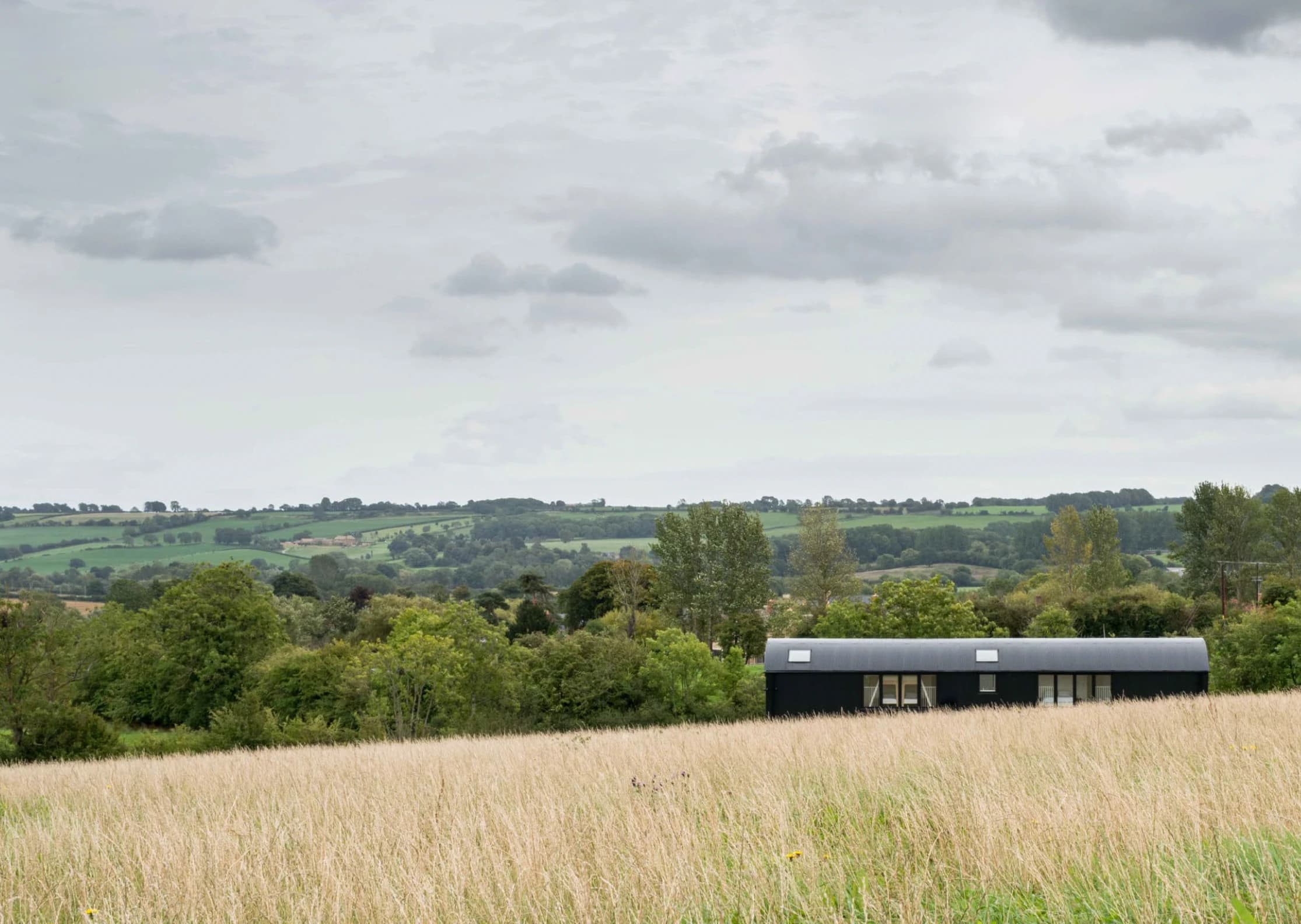
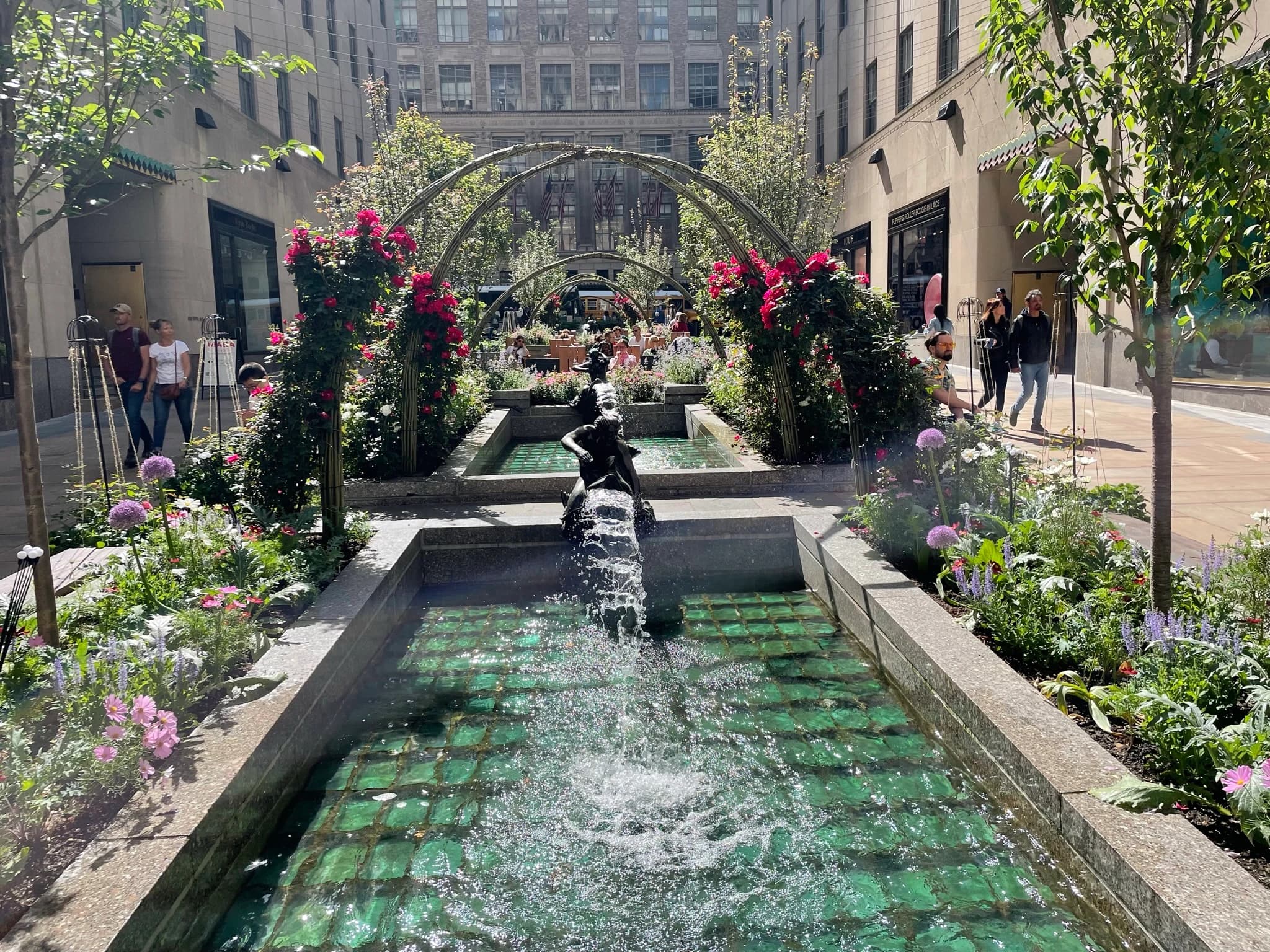
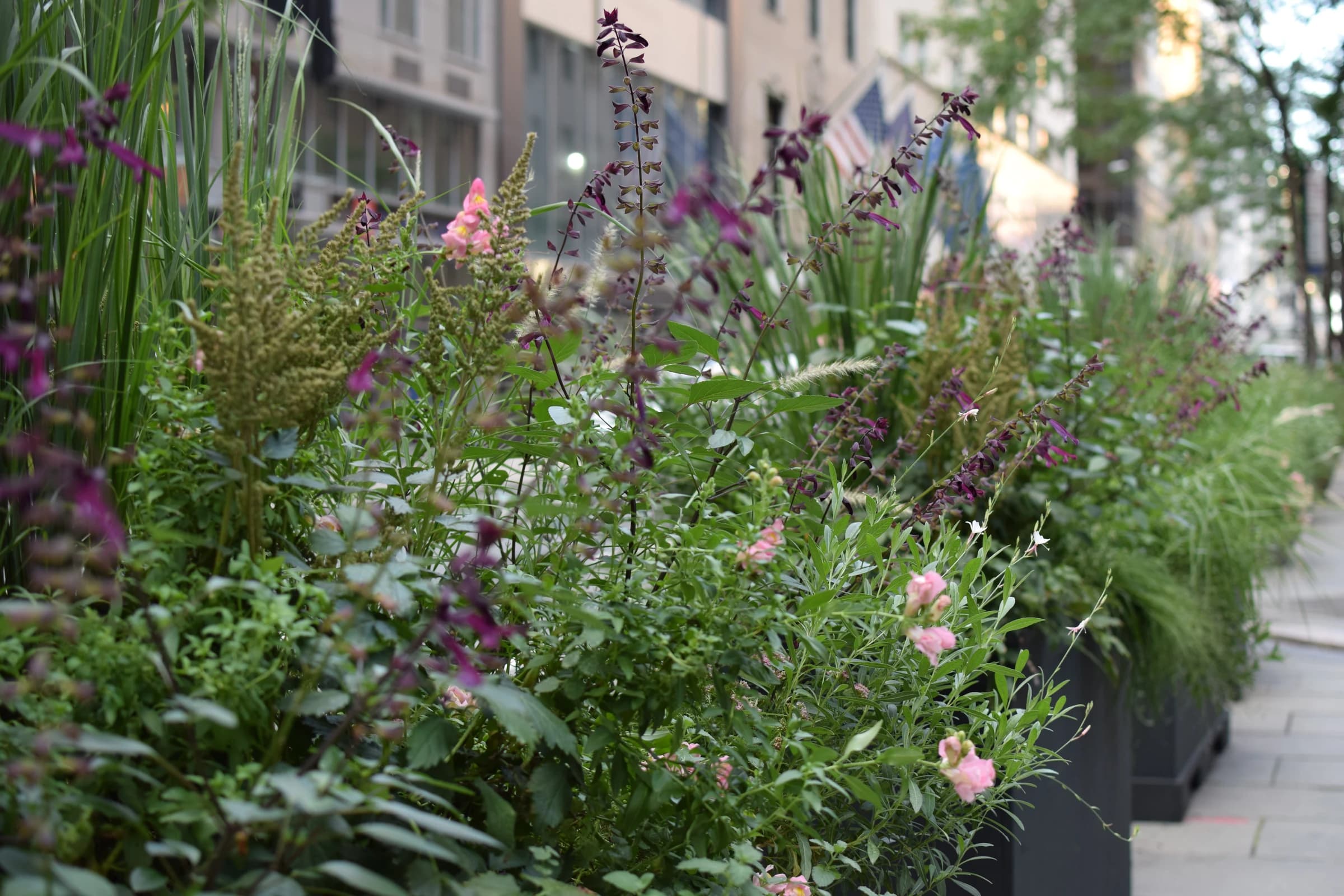
Rewilding here does not mean leaving a site to go wild. It means reintroducing native plant communities in deliberate layers, removing what degrades the site, and managing the transition so the landscape reads as intentional at every stage. The studio's rewilding work includes seasonal installations in the Channel Gardens at Rockefeller Center, the wider rewilding of the Rockefeller Center campus, and the rewilding of a country property in the Cotswolds, England.
On Long Island, revegetation often carries regulatory requirements, such as restoring disturbed ground or meeting town clearing limits. Rewild Landscape designs that planting to satisfy the requirement and still read as a designed landscape.
Key Capabilities
- Designed rewilding: native plant communities reintroduced in deliberate layers, never simply left to go wild.
- Site assessment: soil, hydrology, existing plant communities, and disturbance history come first.
- Regulatory revegetation: Long Island restoration and clearing-limit requirements met with planting that still reads as designed.
- Maturity timeline: meaningful establishment within 2–3 years, visual maturity at 5–7 years.
Frequently Asked
About Rewilding and Revegetation
What is rewilding in a landscape design context?
Rewilding in landscape design means restoring ecological complexity and native plant communities to designed sites — bringing back layered habitat, soil biology, and self-sustaining plant dynamics. Rewild Landscape applies rewilding principles to residential estates, public realm projects, and corporate campuses, working at scales from small gardens to multi-acre restoration projects.
What does revegetation work by Rewild Landscape involve?
Revegetation work by Rewild Landscape begins with site assessment — soil analysis, hydrology, existing plant communities, disturbance history — and proceeds through native species selection, installation sequencing, invasive species management, and multi-year stewardship. The studio handles regulatory compliance for wetland, coastal, and conservation-area projects in New York, Connecticut, and New Jersey.
How long does a rewilding project take to mature?
Rewilding projects typically show meaningful ecological establishment within 2–3 years and reach visual maturity between 5–7 years, though the landscape continues to evolve indefinitely. Rewild Landscape's stewardship programs guide this evolution season by season — adjusting plant communities, managing invasive pressure, and deepening soil biology until the landscape is self-sustaining.