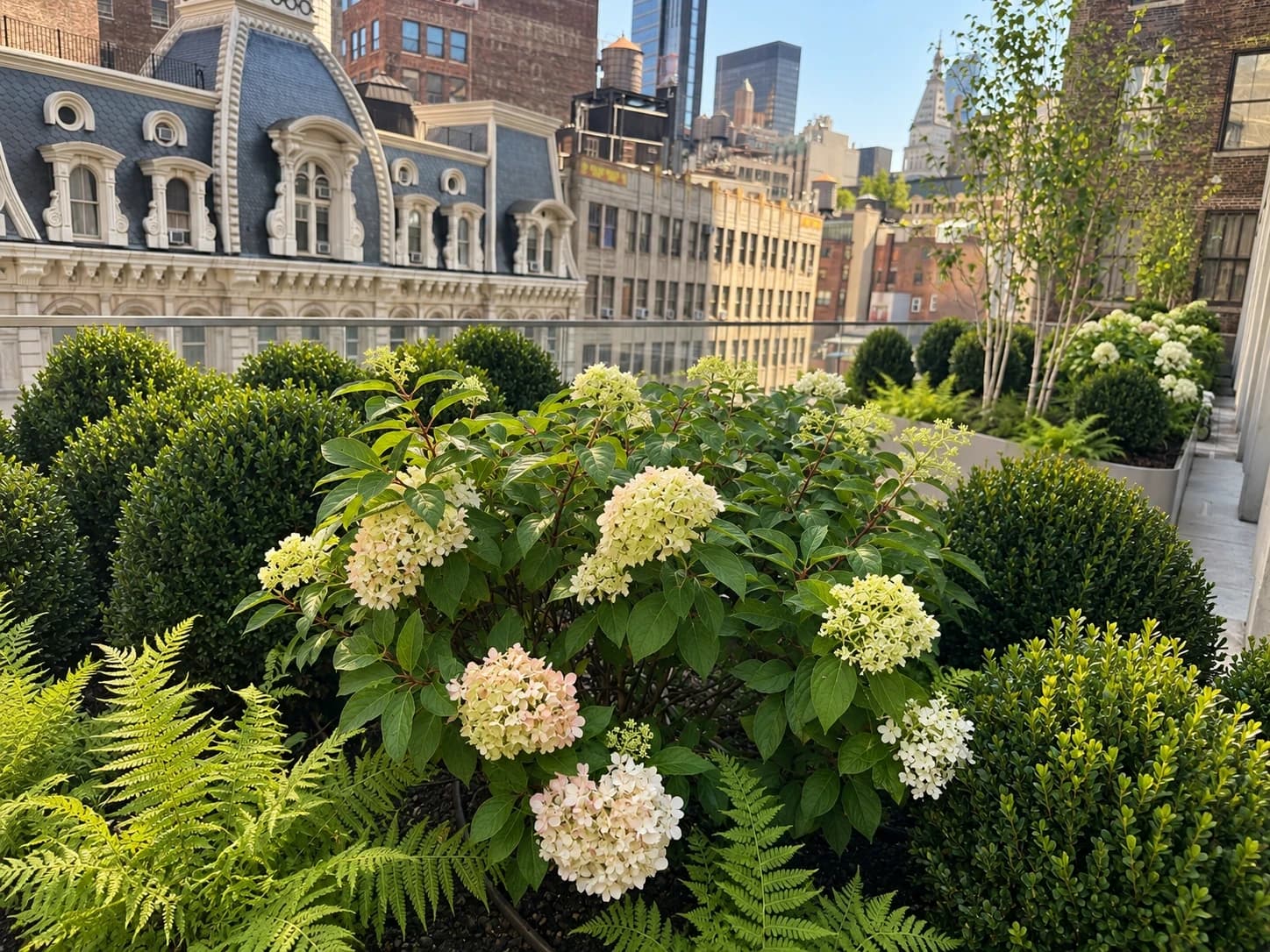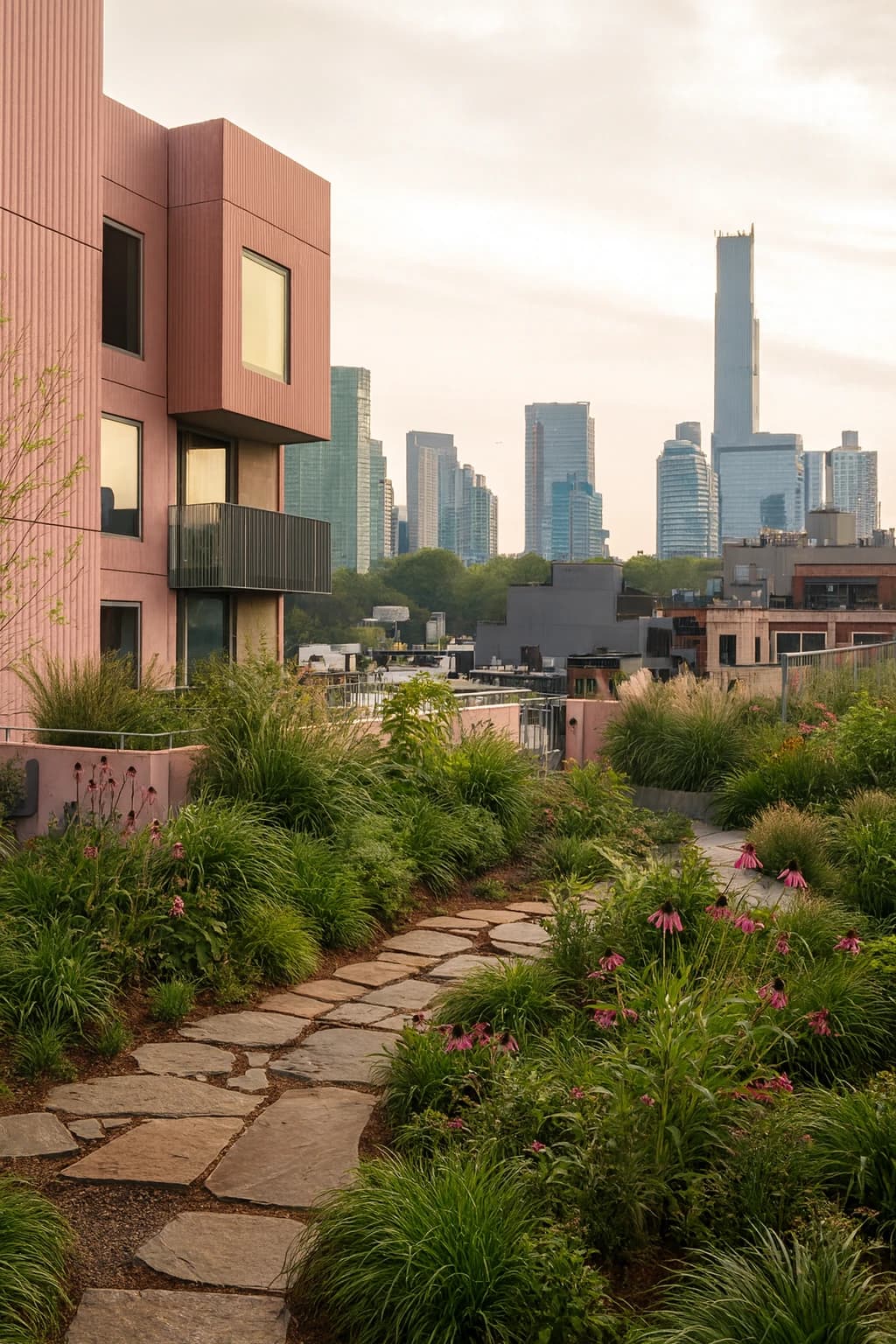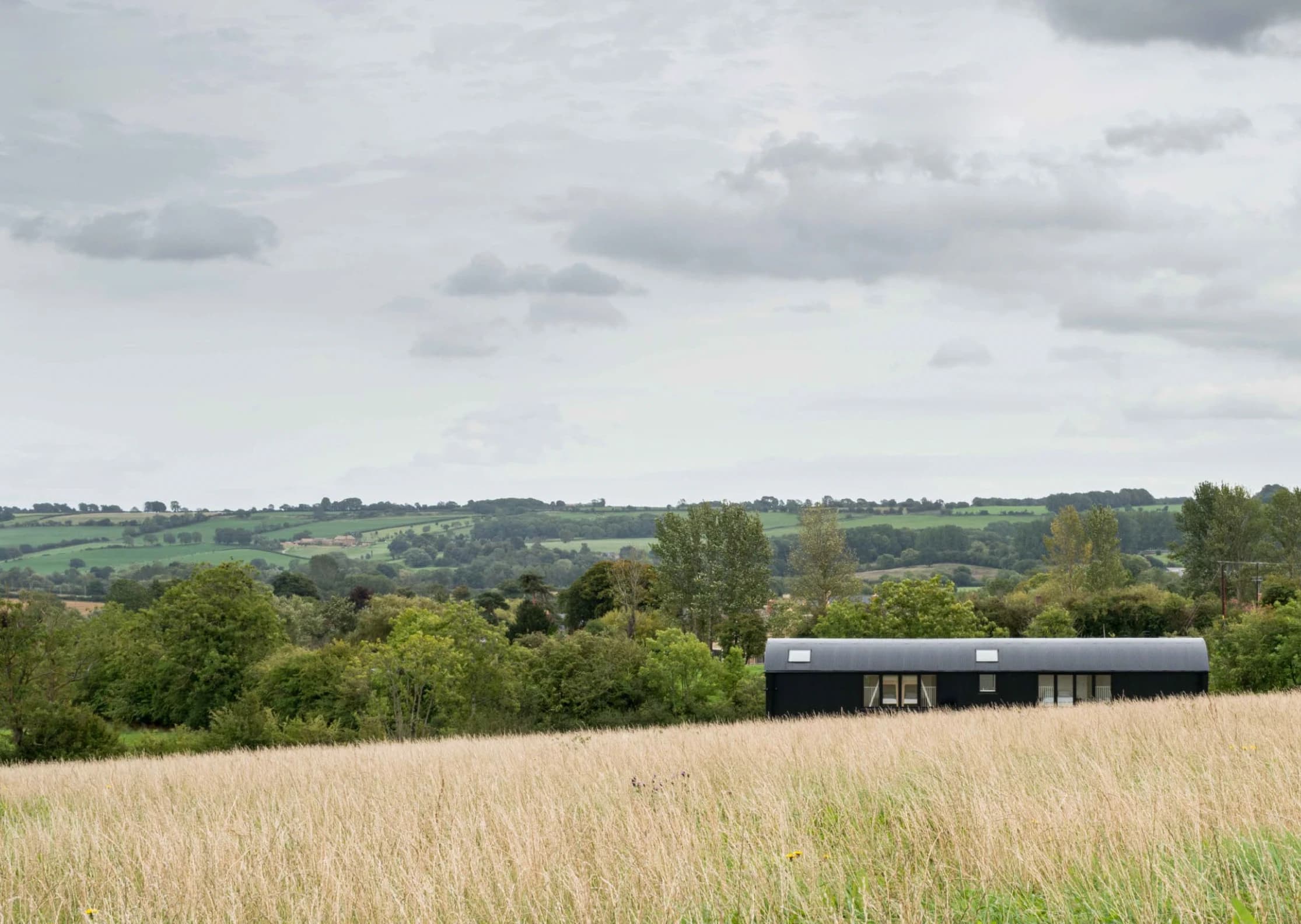

Cultural and Institutional Landscapes
Landscape design for cultural and institutional spaces that require identity, public presence, and long-term performance.
We work on landscapes for cultural, civic, and institutional environments where a strong relationship between people and place is essential. These projects often require a balance of visibility, access, atmosphere, and long-term resilience. Our design approach creates landscapes that are both meaningful and durable — environments that support gathering, reflection, public life, and ecological value while maintaining a clear design identity.
Key Capabilities
- Institution types: museums, civic buildings, universities, and public gardens.
- Built for the public: durable, accessible spaces that serve high foot traffic.
- Institutional identity: design that reflects the institution's mission and public presence.
- Seasonal performance: planting that holds its visual quality across the seasons.
Frequently Asked
About Cultural and Institutional Landscapes
What are cultural and institutional landscapes?
Cultural and institutional landscapes serve museums, civic buildings, universities, public gardens, and other spaces where the relationship between people and place carries symbolic and functional weight. Rewild Landscape designs these environments to balance visibility, access, gathering, and ecological value while maintaining a clear design identity that reflects the institution's mission and public presence.
What is Rewild Landscape's experience with cultural landscape projects?
Rewild Landscape's cultural portfolio includes the Channel Gardens at Rockefeller Center in New York City — one of the most visible public planting commissions in the United States. The studio brings the same attention to ecological integrity, seasonal composition, and public experience to cultural institutions, civic spaces, and educational campuses across the Northeast.
How does Rewild approach public-facing landscape design?
Rewild Landscape designs public-facing landscapes with particular attention to durability, accessibility, and long-term ecological performance. These environments must serve high foot traffic, support gathering and reflection, and maintain visual excellence across seasons. The studio balances institutional requirements with refined planting and spatial composition that creates genuine atmosphere rather than merely functional green space.