
Garden Design
Refined garden design shaped by beauty, seasonality, ecology, and sensory experience.
We design gardens as living compositions — places of beauty, pleasure, atmosphere, and memory. Each garden is tailored to its site, architecture, and owner, with a strong emphasis on how it feels to move through and inhabit the landscape over time.
Our approach balances structure and softness, wildness and restraint, creating gardens that are immersive, deeply personal, and ecologically grounded. The result is not a generic outdoor space, but a landscape with identity, depth, and presence.
Key Capabilities
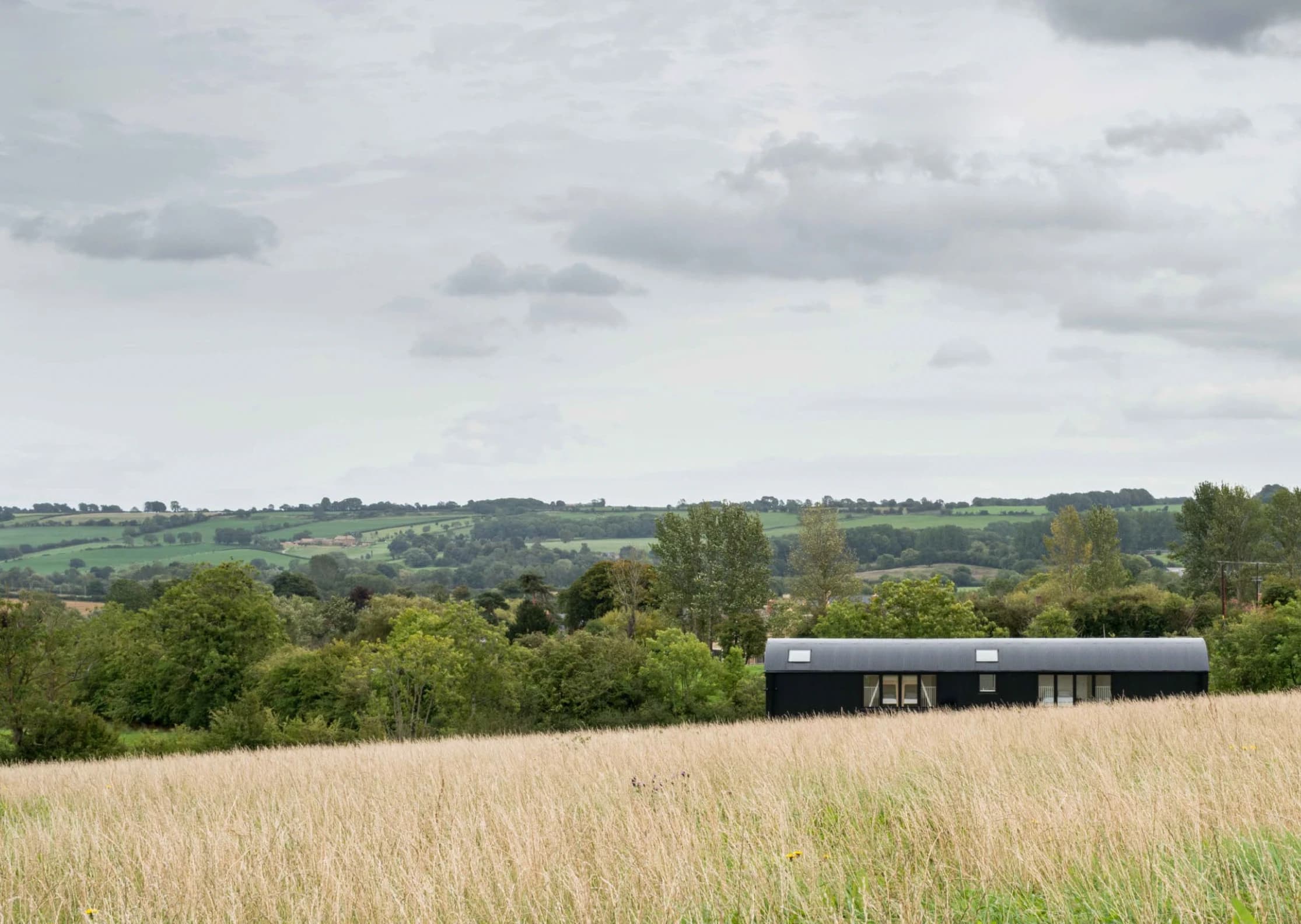
- Naturalistic planting: layered plant communities inspired by meadows, woodlands, and coastal edges.
- Typical timeline: 6–12 months from discovery to installation, planted in spring or fall.
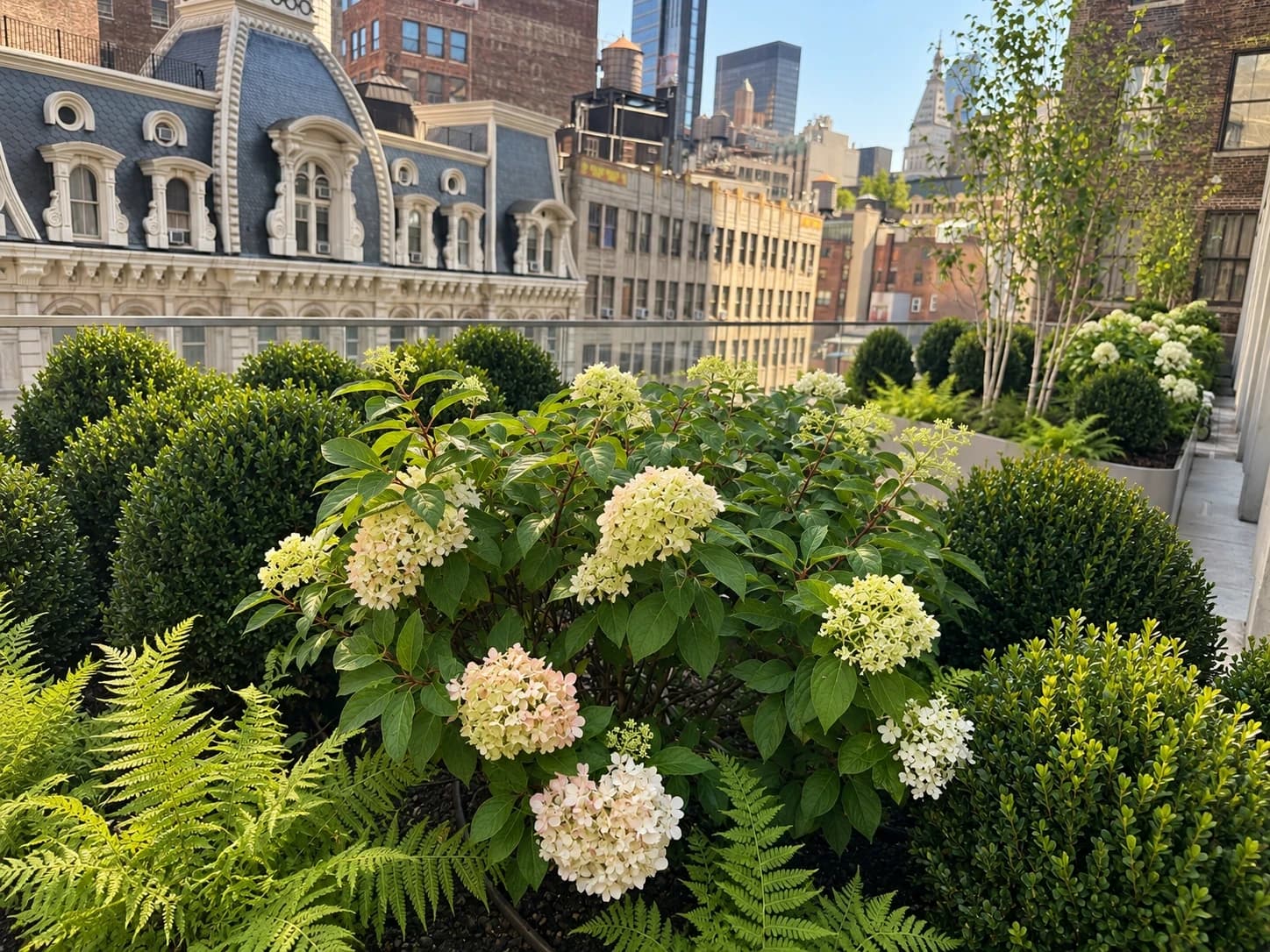
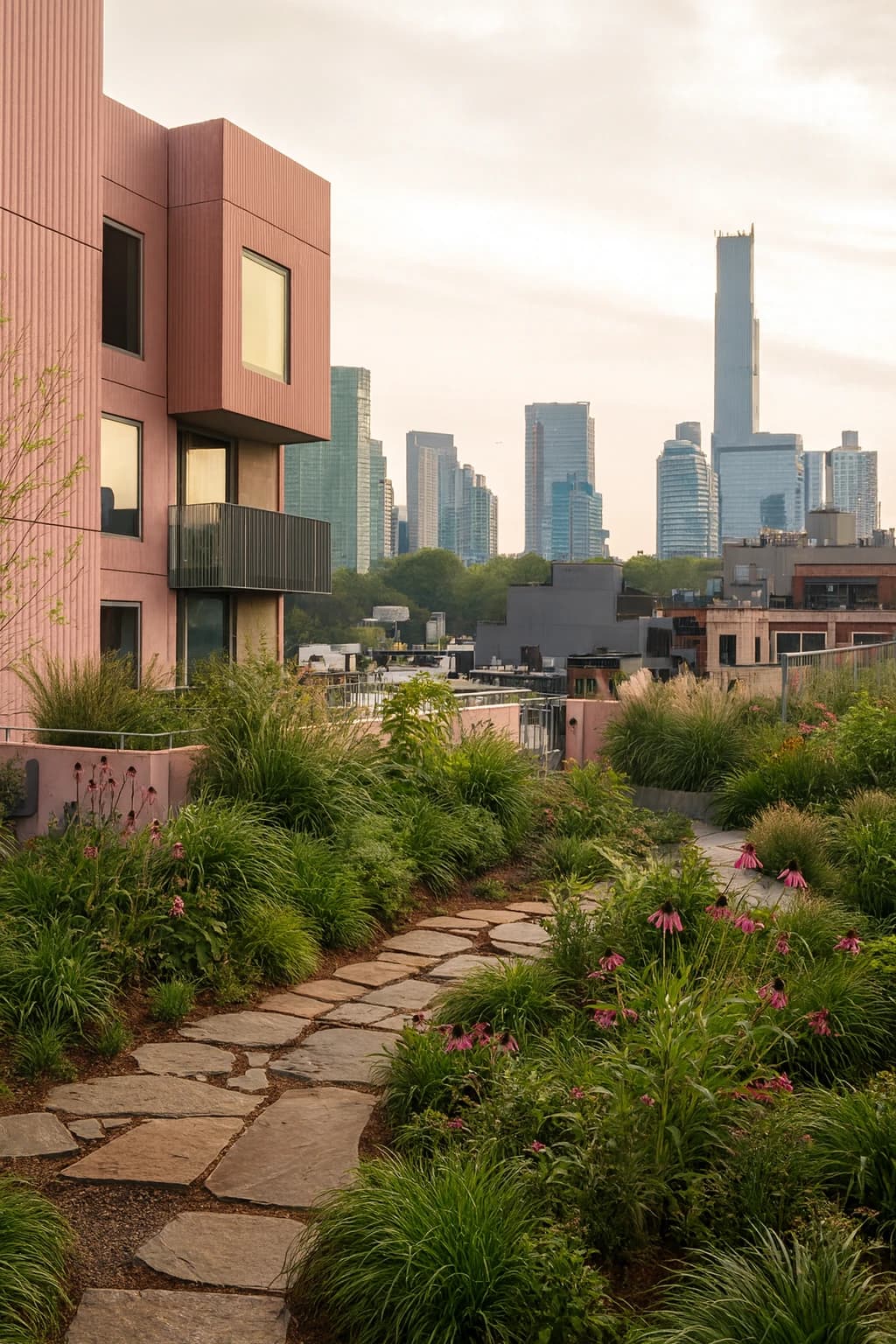
- Small urban gardens: terraces, courtyards, and rooftops designed with the same ecological rigor as estates.
- Habitat value: native plant selection that supports pollinators, birds, and soil biota.
Frequently Asked
About Garden Design
What is naturalistic garden design?
Naturalistic garden design is a planting approach that composes layered plant communities inspired by native ecosystems — meadows, woodlands, coastal edges — rather than formal horticultural beds. Rewild Landscape uses naturalistic design to create gardens that feel immersive and alive, support pollinators and soil biota, and evolve beautifully across seasons and years.
How long does a Rewild Landscape garden design project take?
A typical residential garden design project with Rewild Landscape takes 6 to 12 months from discovery to installation, depending on scope and permitting. Discovery and schematic design take 6–10 weeks, design development and plant sourcing 8–12 weeks, and installation windows align with planting seasons (spring and fall in the Northeast).
Does Rewild Landscape work on small urban gardens?
Yes. Rewild Landscape designs small urban gardens in New York City — terraces, courtyards, townhouse gardens, and rooftops — with the same ecological rigor applied to large estates. Compact sites often achieve striking biodiversity through careful native plant selection, vertical layering, and substrate choices that support pollinators and birds in dense urban contexts.