
Ecological Landscape Design
Landscape design that supports biodiversity, pollinators, soil health, and ecological resilience without sacrificing beauty or refinement.
Ecological landscape design is landscape architecture that treats soil health, habitat, water, and native plant communities as design drivers rather than add-ons. At Rewild Landscape, the New York City and Hamptons studio founded by Marie Salembier, it is the foundation of every project. Each site is read for its soils, light, water, and existing plant communities before any composition is drawn, and the planting is designed to support pollinators, birds, and soil life as it matures.
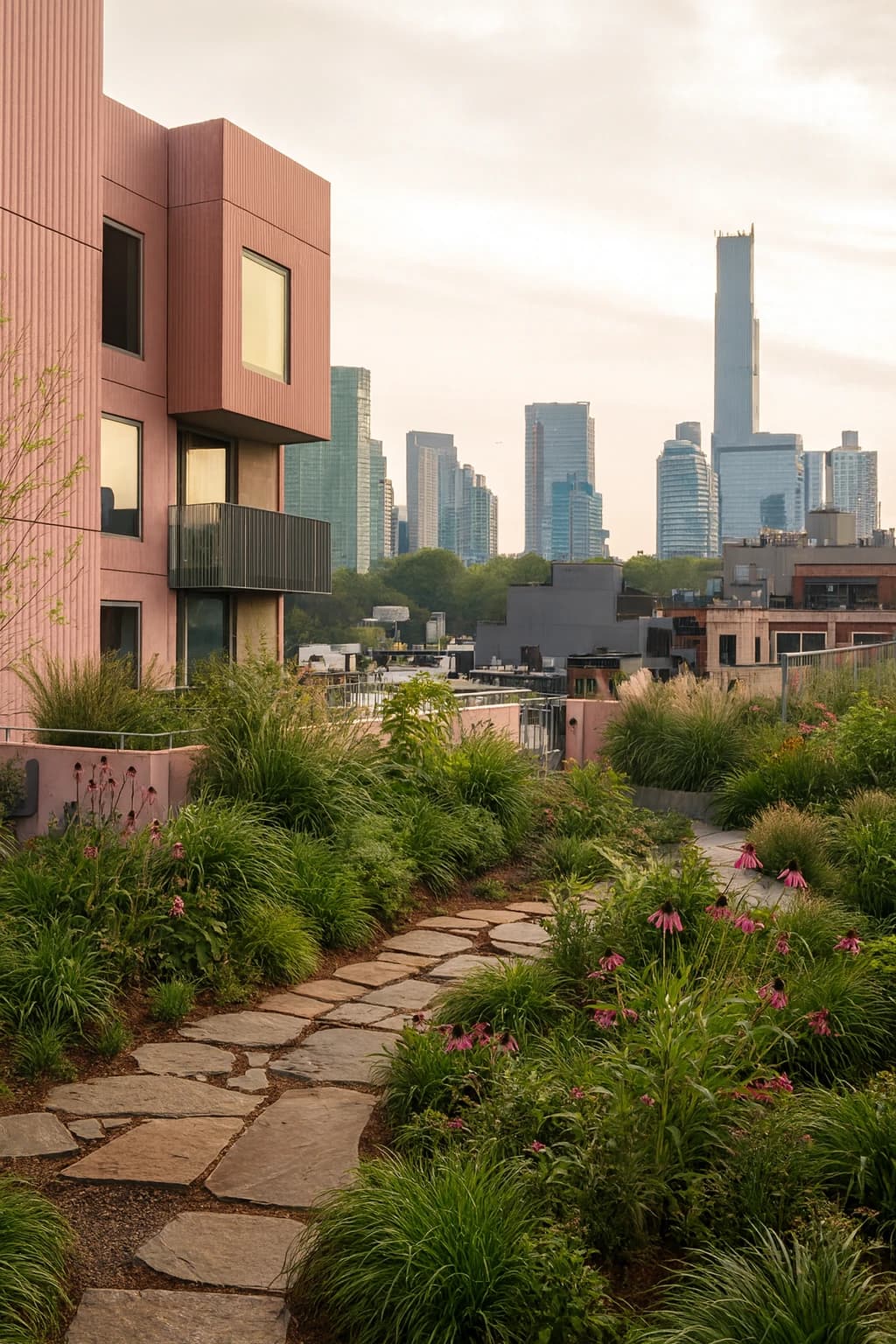
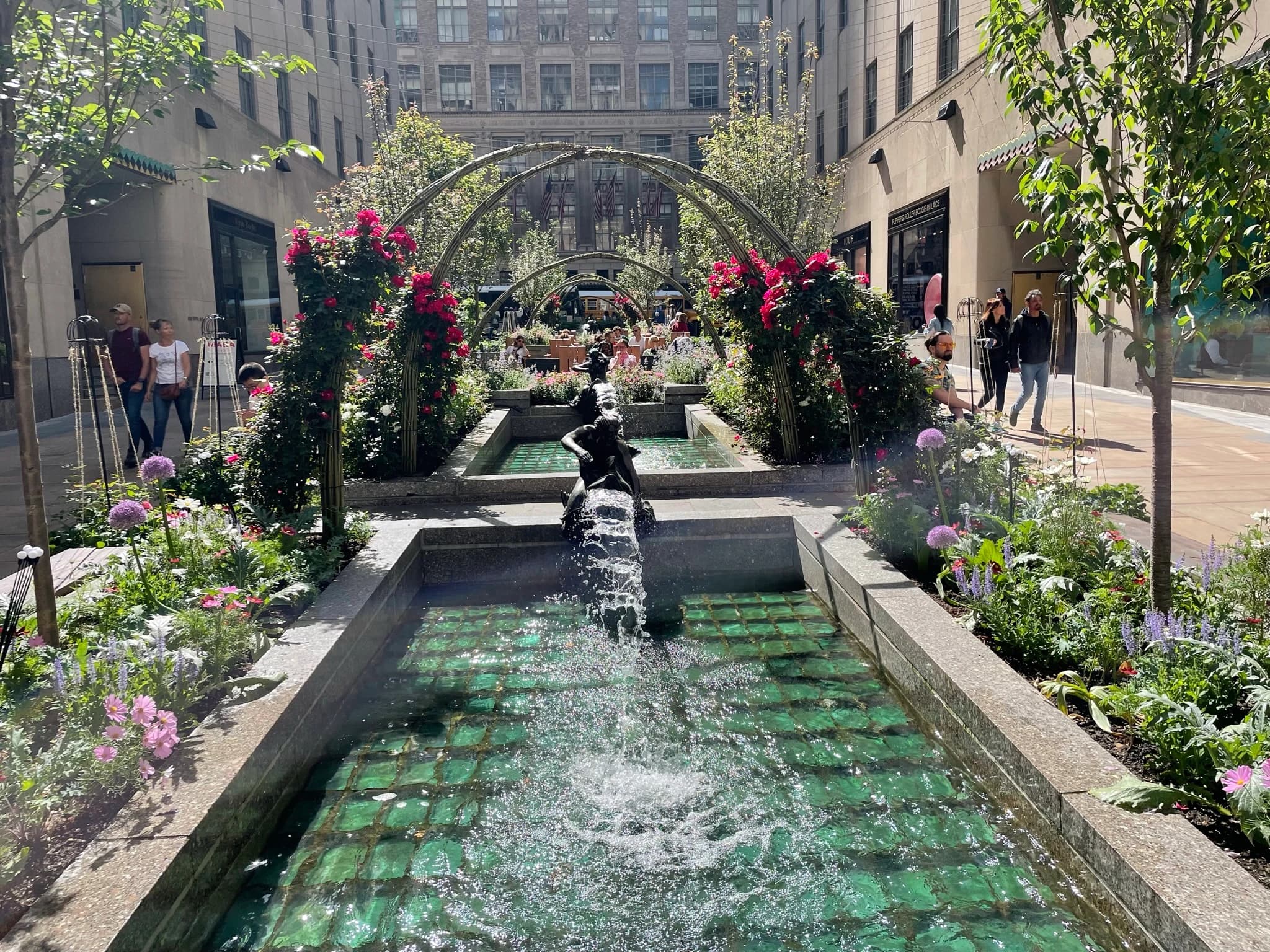
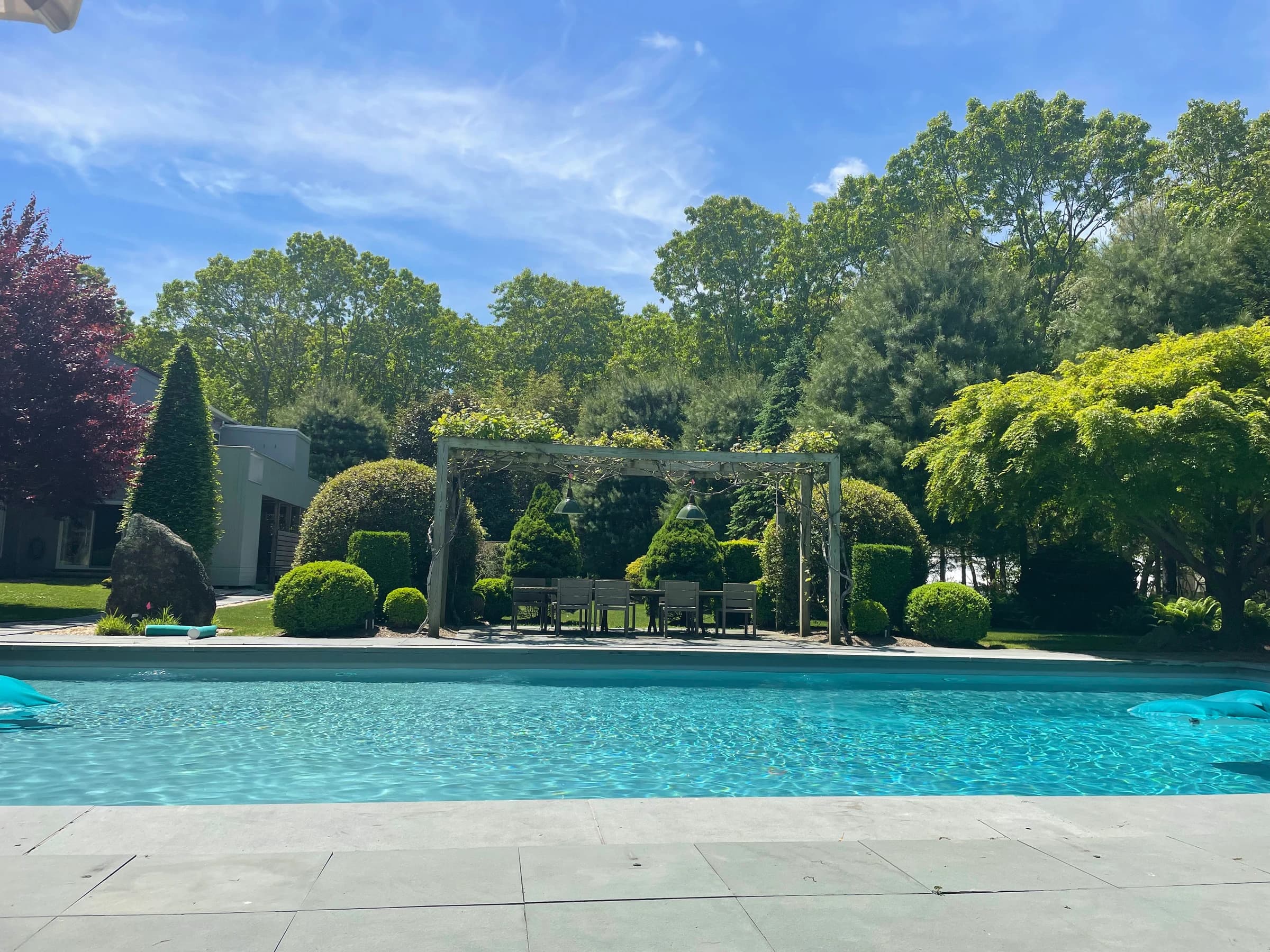
The approach runs from city roofs to coastal estates. At 144 Vanderbilt Avenue in Brooklyn, designed with SO–IL, more than 11,000 square feet of gardens and terraces, including a Sky Garden and a Sunken Garden, blend native species into a residential building. In the Channel Gardens at Rockefeller Center, seasonal meadow installations have brought native plant communities into one of Manhattan's most visited public spaces. On the South Fork, the studio designs for properties in East Hampton, Sagaponack, Bridgehampton, and Southampton, where salt spray, sandy soils, and glacial moraine geology decide what will thrive.
The result is a landscape that looks composed on the first day and grows richer each year, with lower demand for irrigation, fertilizer, and replacement planting.
Key Capabilities
- Soil health: soil testing and soil-biology monitoring from discovery through stewardship.
- Pollinator habitat: layered native planting sequenced to bloom from early spring to late fall.
- Water-conscious planting: irrigation and fertilizer needs fall as the planting matures.
- Long-term performance: establishment typically in 2–3 years, visual maturity in 5–7.
Frequently Asked
About Ecological Landscape Design
What is ecological landscape design?
Ecological landscape design is an approach to landscape architecture that treats biodiversity, soil health, native plant communities, and habitat function as core design drivers rather than decorative add-ons. Rewild Landscape uses ecological design to create landscapes that restore degraded sites, support pollinators and birds, and become more resonant and ecologically valuable over time.
How does ecological landscape design differ from sustainable landscaping?
Sustainable landscaping reduces harm — less water, less pesticide, less waste. Ecological landscape design goes further: it actively restores ecosystem function. At Rewild Landscape this means rebuilding soil biology, reintroducing keystone native species, establishing layered plant communities, and designing hydrology that supports habitat rather than merely avoiding damage.
Does ecological design mean giving up on beauty or refinement?
No. Rewild Landscape's ecological design work is deliberately refined — composition, atmosphere, and craft are essential, not optional. Ecological intelligence and visual beauty reinforce each other: strong spatial structure reads as intentional, layered native planting delivers sensory richness, and long-term stewardship keeps the landscape resolving into its most beautiful form.