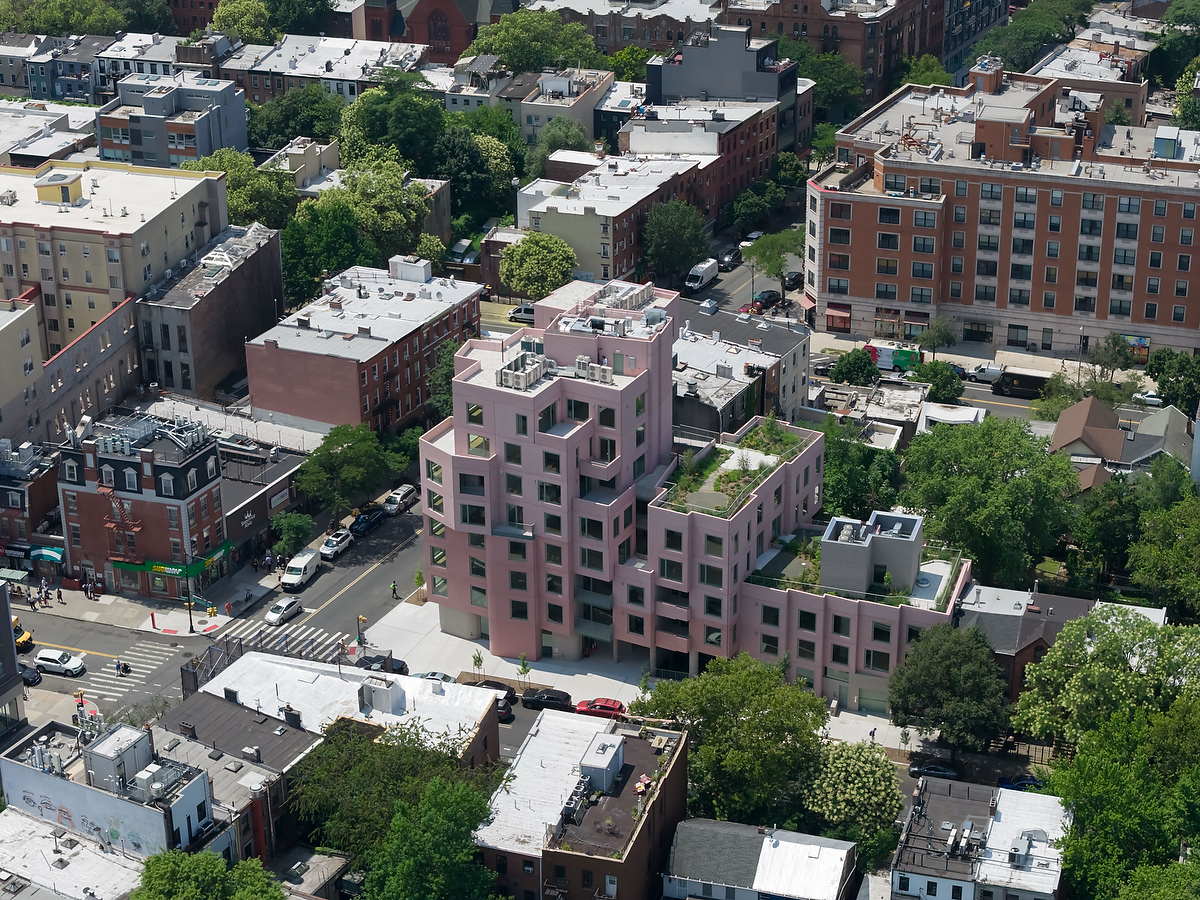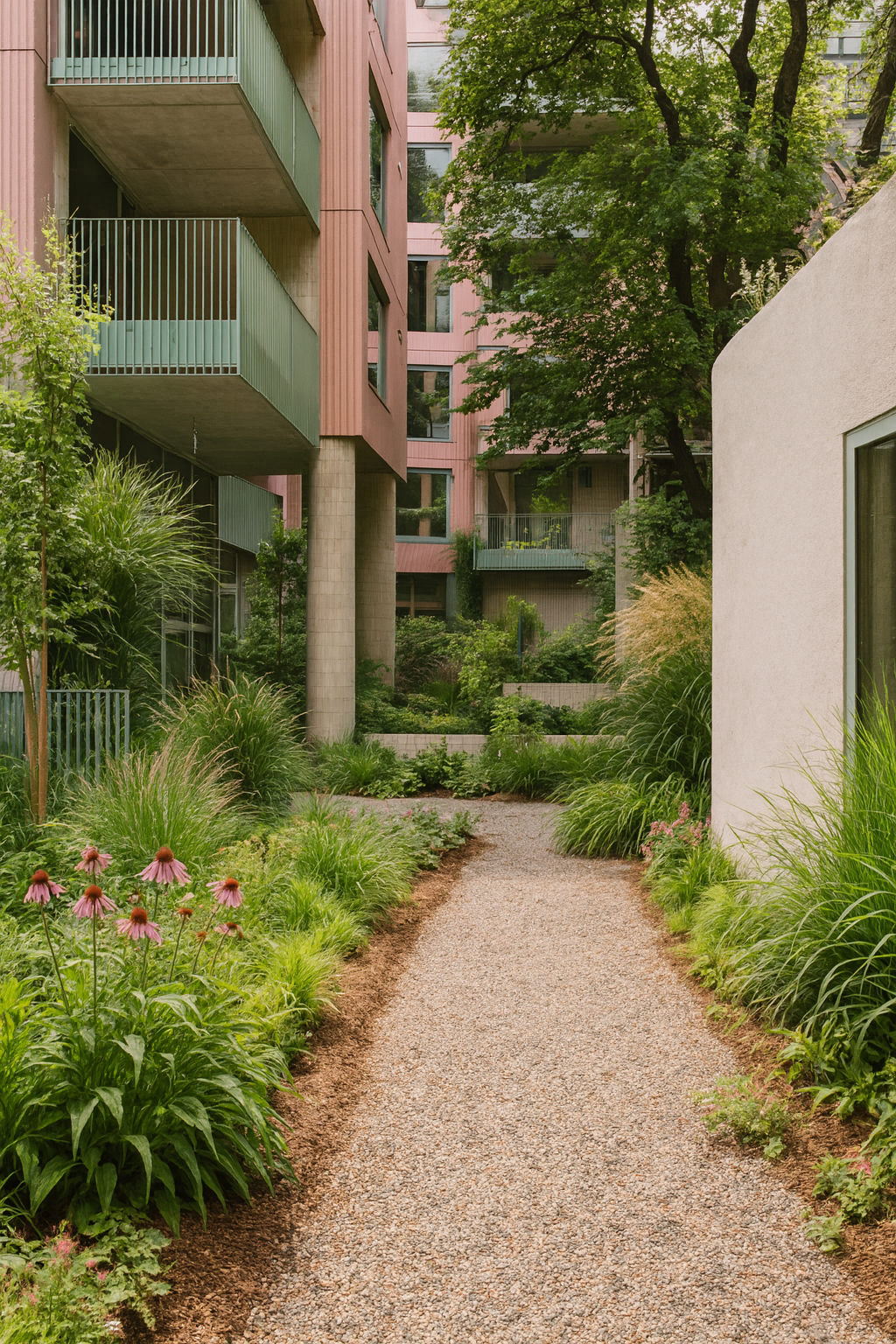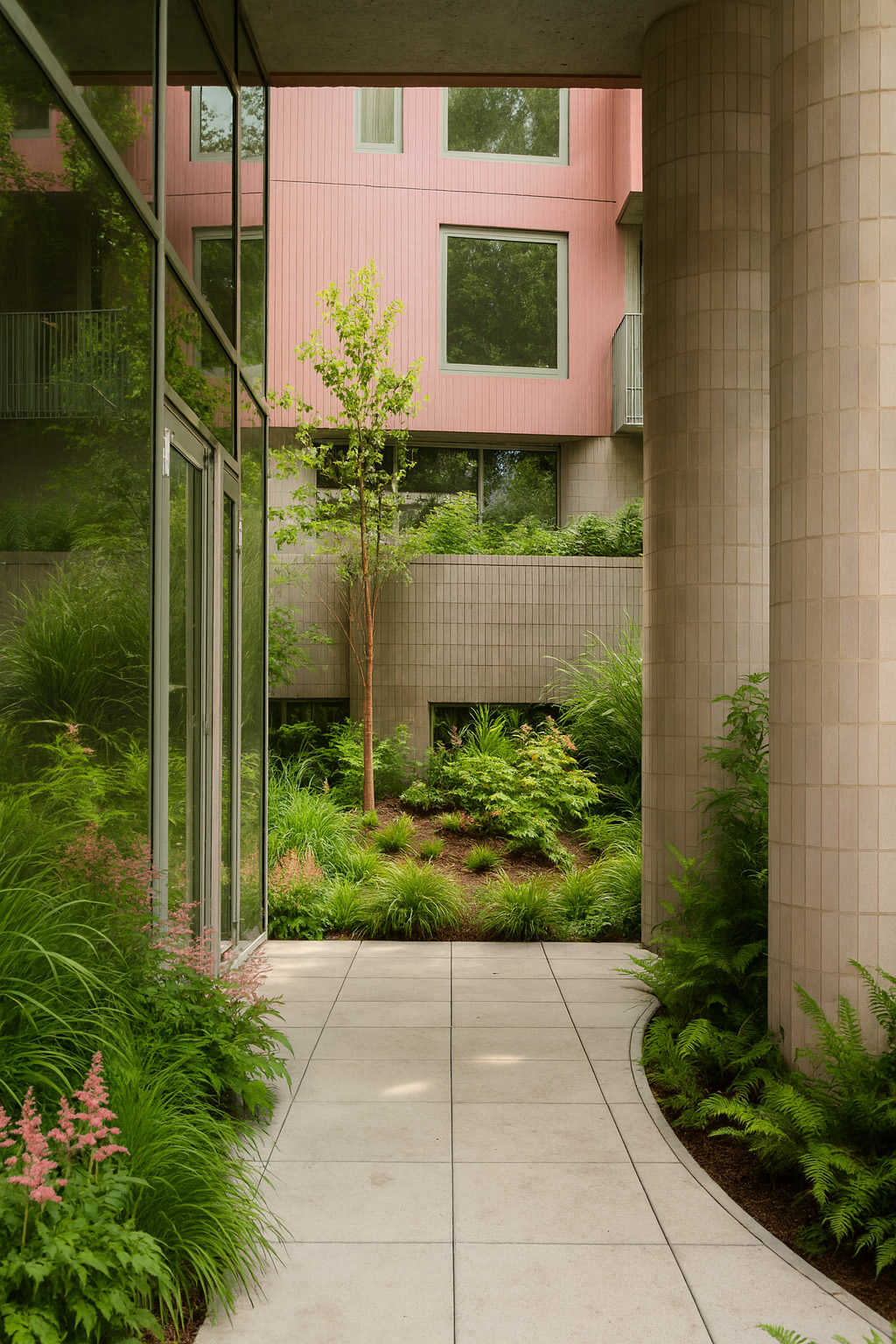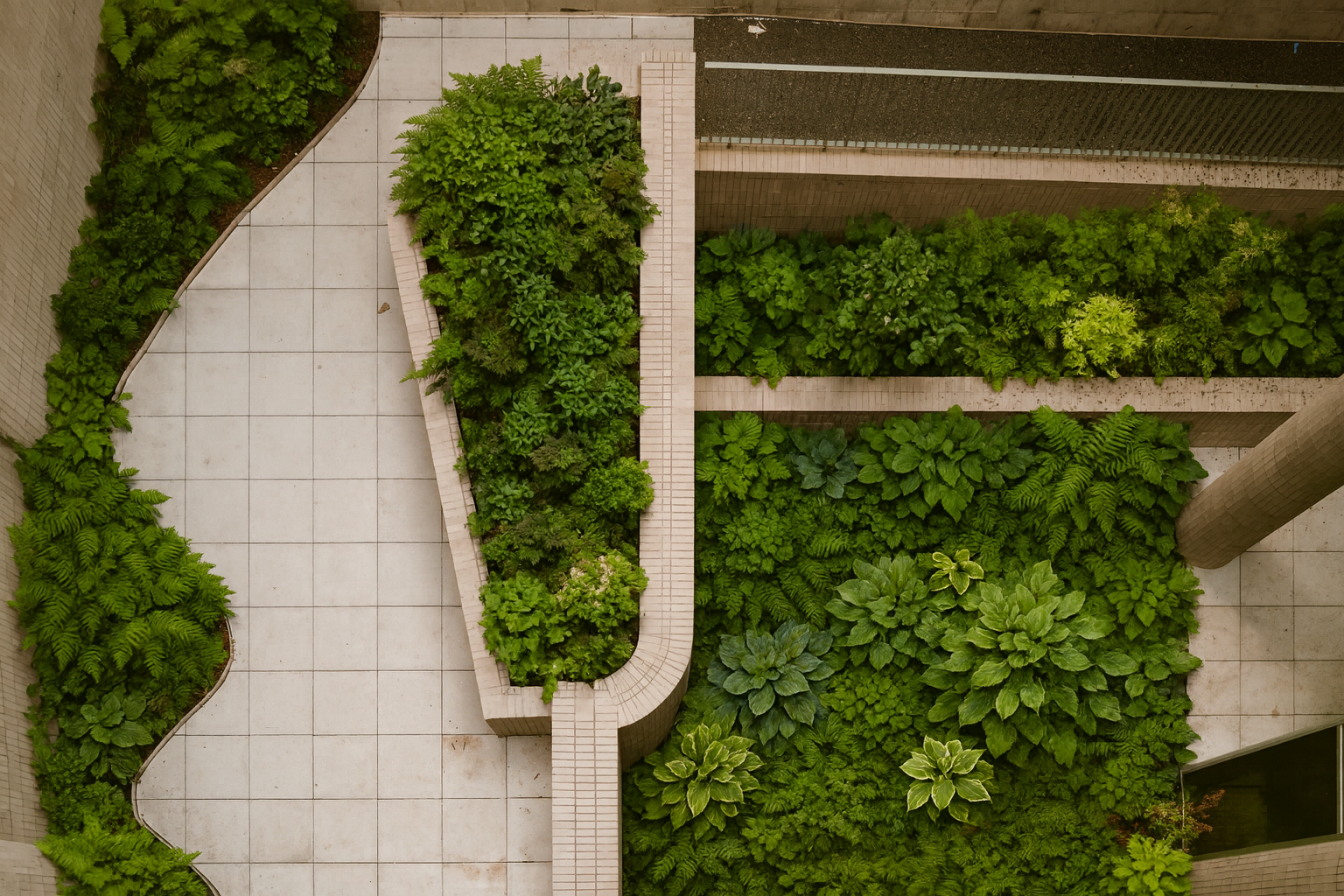

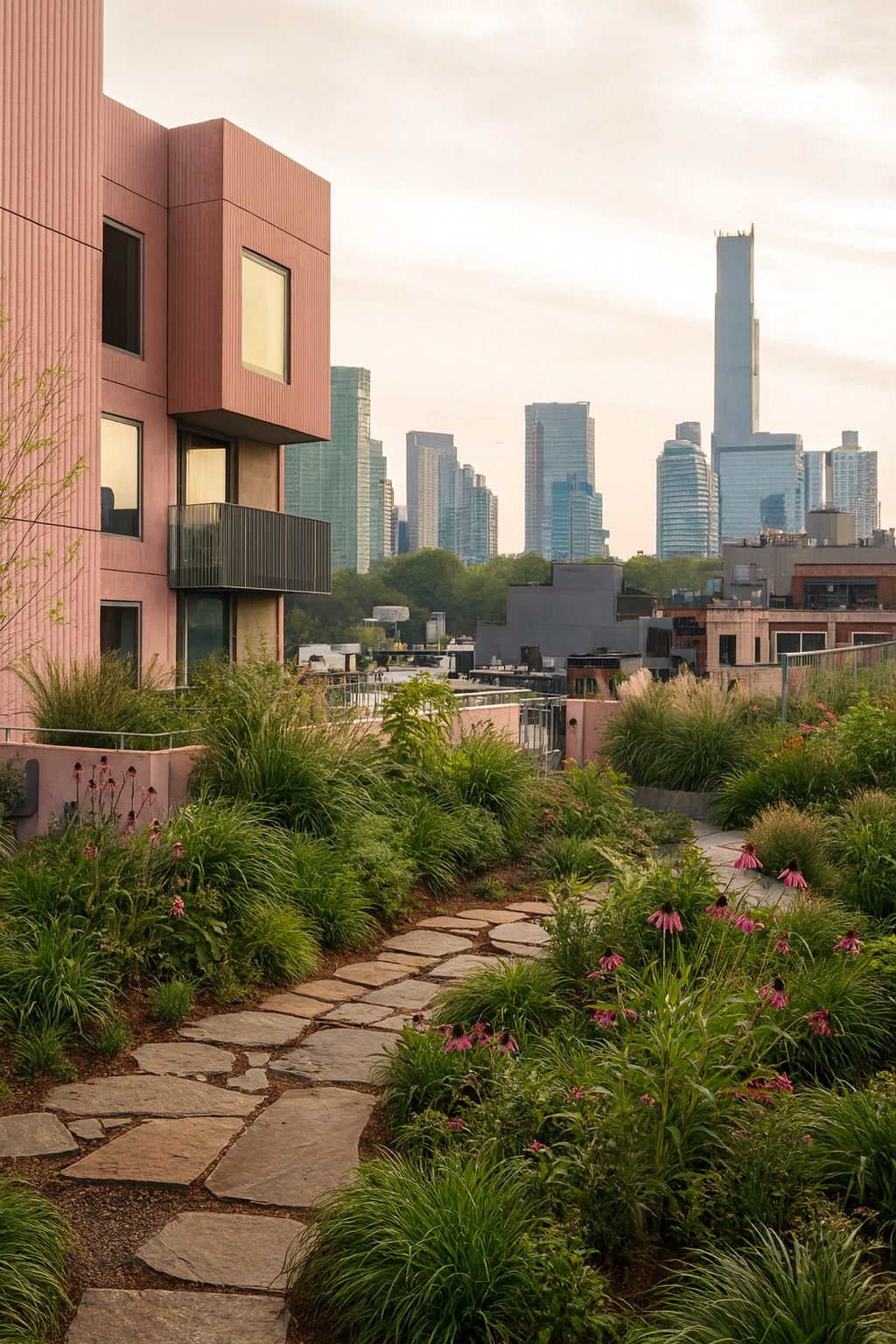
At 144 Vanderbilt Avenue in Brooklyn, Rewild Landscape designed a sequence of gardens and terraces conceived as a gradient of outdoor rooms. Working in dialogue with SO IL’s porous architecture, we integrated crafted hardscape, circulation, and layered planting to site miniature ecosystems across public to private spaces. The result is a calm, sensory landscape that supports biodiversity and matures season after season.
Reflecting the organization of the porous architecture, which fosters a sense of community by creating connections to neighborhood, our design concept works symbiotically with the gradient of public to private program. The landscape will amplify 144 Vanderbilt’s identity, by siting miniature ecosystems in a gradient of green spaces.
In 144 Vanderbilt, the living systems create a biophilic building, by blurring the boundary between architecture and nature, bringing biodiversity to the community, enhancing the sensory experience, screening spaces and dampening noise, all while improving health and well-being. The vertical arrangement of vegetation in landscape is as important to many species as the size of the forest itself. Biodiversity is dependent upon different vegetative layers, with each layer offering a unique set of habitats for bird, butterfly and insect species. Within these layers miniature ecosystems are formed.
The five main miniature ecosystems:
• Alpine Landscape
• Forest Grove
• Hanging Ecosystem
• Forest Margin
• Grassy Meadow
Where these miniature ecosystems overlap is called an ecotone.
The three resultant ecotones:
• Forest Outcrop
• Forest Clearing
• Orchard Meadow
Rewild Landscape 144 Vanderbilt Avenue Brooklyn garden terraces